Wednesday, June 20, 2018

The Indus Valley Civilization-The Secrets of Two Cities

Image result for mohenjo daro
Called 'The Priest King' this iconic
Harappan statue was found in
Mohenjo Daro
Existing several hundred years after the Varna Culture, and home of one of the worlds first major urban center, the Indus River Valley Civilization, or Harappa Civilization, was almost forgotten to history until the early 20th century. Contemporaries with Egypt and Sumer, the Harappa civilization has some of the earliest and finest examples of urban planning, writing, and a standardized system of weights and measures. Unlike their neighbors, they didn't pursue conquest, or build large monuments. This, along with the fact that scholars have yet to decipher the Harappa system of writing means that unfortunately very little is known about this great civilization.

Harappa was rediscovered (by a white person) in 1826 CE by British Army deserter, James Lewis. Lewis was wandering the Punjab region of the then British India in search of ancient artifacts, and, presumably, in avoidance or people who would take him back to the army. At the time Lewis, and the archaeologists who later followed him, assumed that the city dated to around the era of Alexander the Great. However, later discoveries of artistic seals identical to ones found in Sumer would prove that the Harappa civilization is much, much older.

Beginning somewhere around 2500 BCE, and ending about a millennium later, the mysterious Harappa Civilization left little behind except their enigmatic cities. Because the Harappan script has yet to be deciphered, information on the Harappans has to be gleaned from the remains of their cities.

Related image
Ruins at Harappa
There are two major sites associated with the Harappa civilization--Mohenjo Daro in Sindh Pakistan, and Harappa itself, in Sahiwal. These cities are laid out in similar fashions, and artifacts found have confirmed that these two cities were most likely part of the same civilization, if not quite the same country. It is widely speculated that, much like in Greece, Harappa and Mohenjo Daro were each sovereign city states participating in a wider culture. There is clear evidence of communication between the two, and it seems likely that they shared common laws and customs. Many archaeologists speculate that, of the two, Mohenjo Daro was the 'capital city', but this is, as of now, conjecture.

Harappan cities are laid out on a grid system, with streets aligning with the cardinal directions (north, east, south, west.) These streets were paved, and there were separate residential and commercial streets. In addition to planned streets, there was also a general sewer system, which was connected with every home.  In general, most houses had latrines and a bathing facility. Additionally, houses were located nearly public wells and fountains so that citizens had access to fresh water.

An interesting feature of Harappan cities is the uniformity of their building materials. Buildings were made of mud bricks covered in plaster. Brick size seems to have been standardized across the Harappan civilization, as bricks in Mohenjo Daro are the same size as the bricks in Harappa, and all bricks in the city are the same size.  Additionally, the durability of these bricks have led to them being constantly reused in new building projects. At the time of Harappa's rediscovery most of the bricks had been stripped away from the city to build the Lahore Railroad. It is a testement to the Harappans' skill that over 100 miles (161 kilometers) of railroad was paved using those bricks.

Image result for mohenjo daro
The 'Great Bath' in Mohenjo Daro. Though little is known
about Harappan religion, it is speculated that bathing was
an important religious ritual.
Based on archaeological findings, the Harappa Civilization seems to have been a somewhat egalitarian society. Residences, by and large, contain the same levels of luxary, and there is no indication of any sort of monarchy. It is speculated that the Harappans were governed by elected rulers.

The disappearance of the Harappa Civilization as traditionally been attributed to an invasion from Aryan peoples. (No, not those aryans). For many years it was believed that the Aryans had wiped out the Harappa Civilization when they conquered India. However, recent discoveries have called this theory into question. The lack of evidence of mass slaughter, and the genetic continuity between remains from Harappans and the modern people of Punjab and Sindh suggest that the Aryans may have arrived after the Harrapans had left. It is now hypothesized that shifting climate and overcrowding caused the Harrapans to leave their cities, and disperse to other settlements in the region, abandoning Harappa and Mohenjo Daro. This theory is hardly satisfactory, and undoubtedly continuing research will see this theory modified within the next decade.


Sources
Indus Valley Civilization
Indus River Valley Civilizations
Indus Civilization
Early Civilization in the Indus Valley
The Ancient Indus Civilization
Harappa: An Overview of Harappan Architecture and Town Planning
Harappa
The Harappan Civilization
The Lost City of Mohenjo Daro
Mohenjo Daro
Mohenjo Daro and Harappa

Friday, June 1, 2018

Damn, Girl-Nur Jahan, a Woman Worthy to be Queen

Either the twelfth or the twentieth wife of Mughal Emperor Jahangir, Nur Jahan was thrust into a life of fear and uncertainty. She was born while her parents were fleeing Persia, and was left on the road. Luckily, she was returned to her family, and was regarded as a lucky symbol from then after. Indeed, Nur Jahan was lucky for her family, because she would later become the Emperor Jahangir's favorite wife, and would, essentially, rule India in his stead, raising her family to the higher echelons of power with her.

Image result for nur jahan
Contemporary portrait of Nur Jahan
Born Mehrunnisa, Nur Jahan was the child of Mirza Ghiyas Beg and Asmat Begum, both high ranking members of the Persian court. Although it is unknown precisely why Mirza and Asmat had to flee Persia, it is known that they were fleeing to the court of Emperor Akbar (Jahangir's father) in search of a better life. Asmat was heavily pregnant, and gave birth along the road. Shortly after Nur Jahan was born, their caravan was attacked by robbers, leaving the family with little goods or money to start over in their new life. Fearing that they would be unable to provide for their daughter, her parents abandoned Mehrunnisa on the road.

According to legend, Mehrunnisa's mother was so distraught at having left her daughter behind, Mirza agreed to go back for the infant. When Mirza found Mehrunnisa underneath the tree they'd left her, a large cobra was looming over her, ready to swallow her whole. Mirza rushed at the snake, shouting, and the snake slunk off to do it's snakely business elsewhere. Mirza took his daughter back to his wife, and after telling the tale of his daughter's miraculous escape, their fellow travelers gave them the money to continue with their journey.

Other accounts say that Nur Jahan was left on the road, but was returned to her parents by other members of their caravan. Either way, shortly after the return of their daughter Mirza and Asmat arrived at Akbar's court, and settled into life as a mid-level bureaucrat.
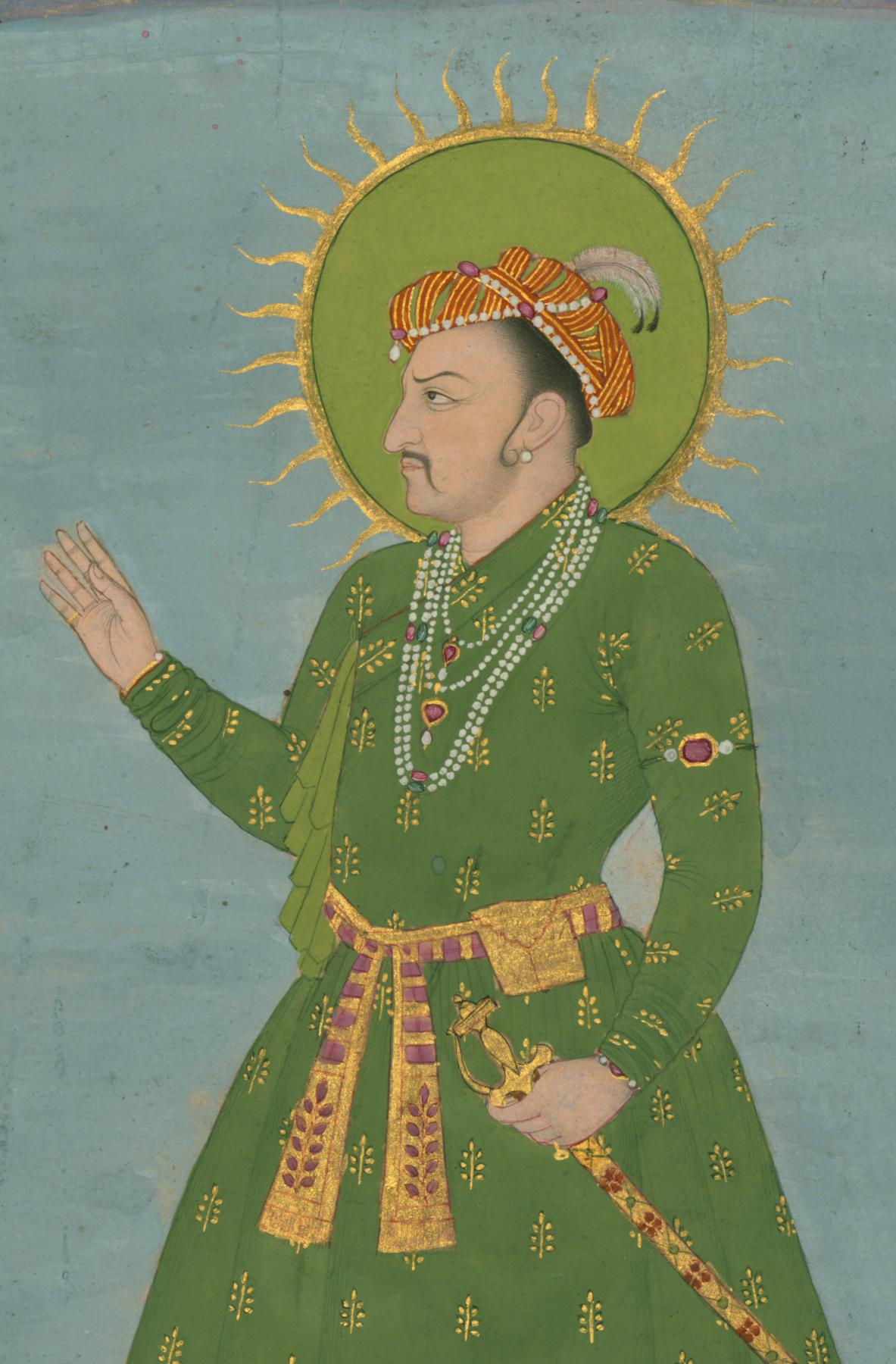
Image result for jahangir
Prince Selim, later the Emperor Jahangir
-World Grabber
Mehrunnisa, who's name means 'The Sun of Women', grew up to become a beauty with an excellent education. She was an accomplished musician, poet, dancer, and artist, and she was also known for being witty and charming. She was also a fashionista, cook, and landscape artist. It is unsurprising that around 1594 she enchanted Prince Selim (later Jahangir) to the point that "he could hardly be restrained, by the rules of decency, to his place."

Prince Selim, heir to the throne, was so besotted with Mehrunnisa that he sought her hand in marriage. However, Mehrunnisa was already betrothed, and Emperor Akbar refused to break the engagement in favor of his son. So, at the age of 17, Mehrunnisa was married to Sher Afghan, a Persian courtier and adventurer. Her first marriage, while not a love match (or particularly propitious), gave Mehrunnisa Ladili Begum, Mehrunnisa's only child.

Sher Afghan wasn't destined to live to a ripe old age. He died in 1607, after 13 years of marriage. There are many rumors saying that Selim, angered by Sher Afghan's refusal to break his betrothal, and lust for Mehrunnisa, had Sher Afghan killed. The History of Hindostan, a somewhat sketchy contemporary source, gives an account of Selim's many failed attempts to have Sher Afghan killed, culminating in Selim ordering a small army to attack Sher Afghan. While if Selim actually arranged Sher Afghan's death is in doubt, it's proven fact that in 1607 Mehrunnisa was widowed at age 30.

Image result for ladli begum
Ladili Begum
Shortly after her husband's death, Mehrunnisa was summoned to Delhi to act as a lady-in-waiting to Prince Selim, now Emperor Jahangir's stepmother. In 1611 Mehrunnisa was married again, this time to the Emperor, becoming his 12th (or 20th, sources disagree) wife.

Emperor Akbar, Jahangir's father, had been a brilliant Emperor. Starting with only a small part of what is today Pakistan, Akbar managed to conquer all of north India, swallowing modern Nepal, Bhutan, Bangladesh, and parts of Afghanistan, Tajikistan, and China. He'd been a strict Sunni Muslim, but had encouraged religious discourse between Muslims, Hindus, Parsis, and Christians. He'd managed to woo local leaders of all religious persuasions to his side, yet retained his own religious supremacy (while building up a cult around himself).

Jahangir was a pale imitation of the brilliance of his father. Jahangir tried, undoubtedly; he extended his empire further down the Indian subcontinent, and managed to keep the empire more or less together. However, where Akbar had been focused on reform and expansion, Jahangir was focused on art and culture. Where Akbar had strictly followed the tenants of Islam (which forbid drugs and alcohol), Jahangir saw them more as guidelines, and at the time of his marriage to Mehrunnisa, was well on his way to becoming a non-functioning addict.

Related image
Mughal Empire
As far as marriages went, Jahangir and Mehrunnisa, renamed Nur Jahan (meaning 'Light of the World), were pretty happy. Jahangir was smitten with Nur Jahan, and she seemed to have returned his affection. While the couple never had children, Nur Jahan became Jahangir's Empress, and she was, by all accounts, a loving step mother. Jahangir and Nur Jahan had a great deal in common--they both loved the arts, and were passionate about hunting. Most importantly, Nur Jahan was more than willing to take over running the country, leaving Jahangir to lose himself in opium and mindless pleasure to his heart's content.

As the de facto ruler of India, Nur Jahan put herself in the forefront of government work. She signed her name to royal decrees, along with her husband's, essentially giving herself the power to issue decrees, as well as promote and dismiss officials within the empire. She struck coinage in her own name, something that had never happened in Mughal history. She presided at Court, hearing cases about disputes between nobles, and passing judgement. She conducted international relations with other powerful women in foreign countries, and cemented trade deals. She was a shrewd businesswoman, and under her guidance India enjoyed an era of peace and prosperity.

Image result for nur jahan
Nur Jahan
Nur Jahan was also a philanthropist. She was particularly concerned with the women of her empire. Concerned that poor women would be unable to marry, she personally provided a dowry for over 500 women. She was the patroness of dozens of female poets and artists, many of whom's works survive today.

Despite her peaceful reputation, Nur Jahan had no scruples about warfare. She was an excellent sharpshooter herself, known as 'Tiger Slayer' for her remarkable feat of killing four tigers with six bullets. (keep in mind, these are 17th century bullets.) She planned and led several expansionist campaigns herself. When her husband was captured, she rescued him with a contingent of soldiers, riding in on an elephant, and successfully winning the battle despite the fact that both her and her elephant were injured.

Though the empire was prospering, Nur Jahan reigning after the death of her husband was out of the question. It was widely assumed that Khurram (later Shah Jahan), Jahangir's third son, or Shahryar, Jahangir's youngest son. Nur Jahan initially supported Khurram, even marrying her niece Mumtaz Mahal to him. However, Khurram's hunger for power as he grew older led to Nur Jahan throwing her support behind Shahryar (who was married to her daughter Ladili).

When Khurram, now Shah Jahan, took power in 1628 he had Nur Jahan sent into exile in Lahore along with Ladili Begum, who was widowed after the death of Shahryar. Nur Jahan lived for another 18 years. Though she had backed his rival, Shah Jahan, kept her in comfort, and Nur Jahan was allowed to continue her building and artistic projects. She was kept from the political workings of the empire, but put her efforts into charity work instead, building mosques and assisting the poor. She died quietly in 1645.

Image result for nur jahan coins
Silver rupees with Nur Jahan's name on them
After her death, Shah Jahan did his best to erase Nur Jahan from history, having the coins with her name rescinded, and erasing her from official records. However, Shah Jahan was not at all successful--a testament to Nur Jahan's incredible influence. The hundreds of mosques and gardens she had constructed, as well as the waystation system for travelers she had established could not be demolished. Her artistic influence continues to influence India to this day. She invented several dishes which are now a staple of Indian cuisine, and the flowering patterned muslin she favored is a favorite in Indian fashion. Her style of stitched clothing and structured saris is still the norm for Indian dress. A wealth of poetry written by her still survives, as do many of her buildings and gardens.

Nur Jahan was an extraordinary woman for any era, but especially for the era into which she was born. She ran an empire so skillfully that even her staunchest enemies grudgingly admitted that she was, what would later become her most famous epithet, 'A Woman Worthy to Be Queen'.


Sources
A History of Hindostan: Translated from the Persian: to Which are Prefixed Two Dissertations, the First Concerning the Hindoos, and the Second on the Nature of Despotism in Indian. Volume III by Muhammad Qasim Hindu Shah Astarabadi Firishtah
Indian-Jahangir
Nur Jahan
Nur Jahan: Mughal Empress
Empress of Mughal Indian: Nur Jahan
World Changing Women: Nur Jahan

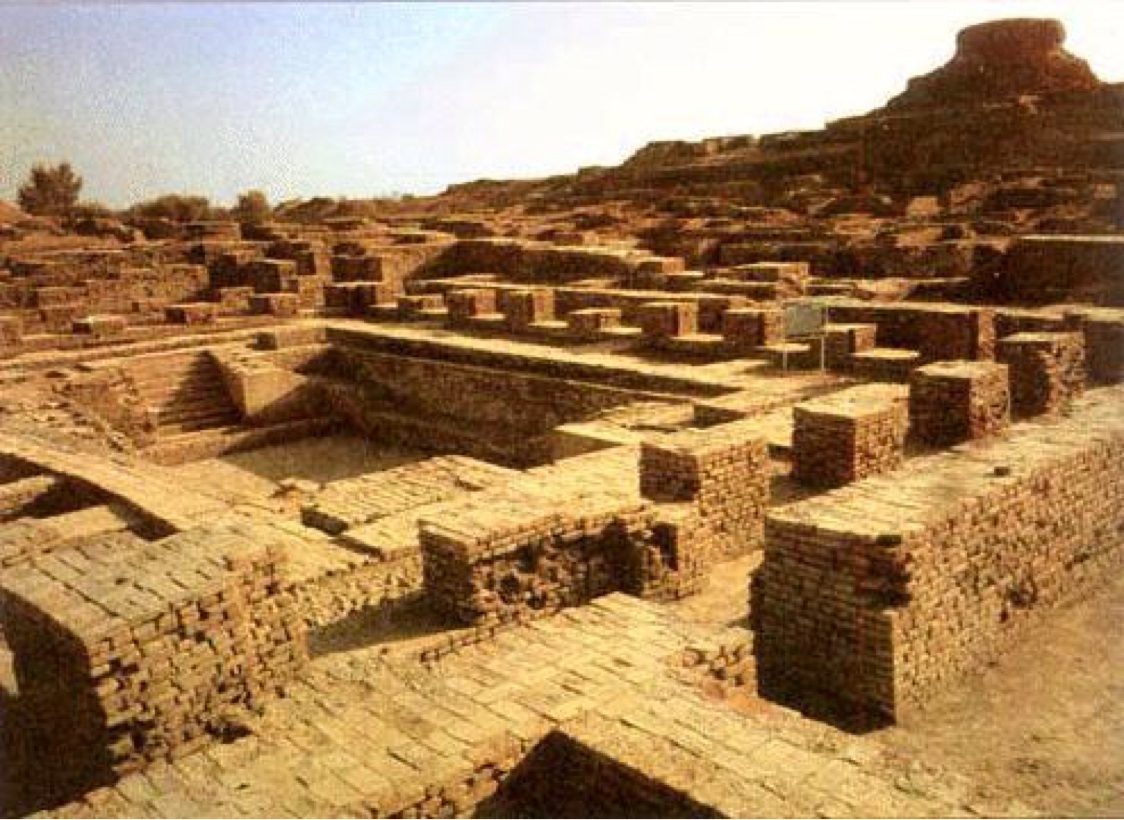
Wednesday, May 30, 2018

The Varna Gold

At the height of communism, proof of a pre-historic class stratified society was found behind the Iron Curtain. An ancient cemetery was found in the Bulgarian city of Varna when digging trenches for the electrical foundation of a new cannery. Much like the discovery of Kennewick Man in 1996, the discovery of what would come to be known as the Varna Chalcolithic Necropolis would completely reshape our understanding of prehistoric society. Unlike the discovery of Kennewick Man, archaeologists found something shinier, more telling, and worth far more money than bones--gold. 138 pounds (63 kg) of gold to be exact.

Image result for varna gold
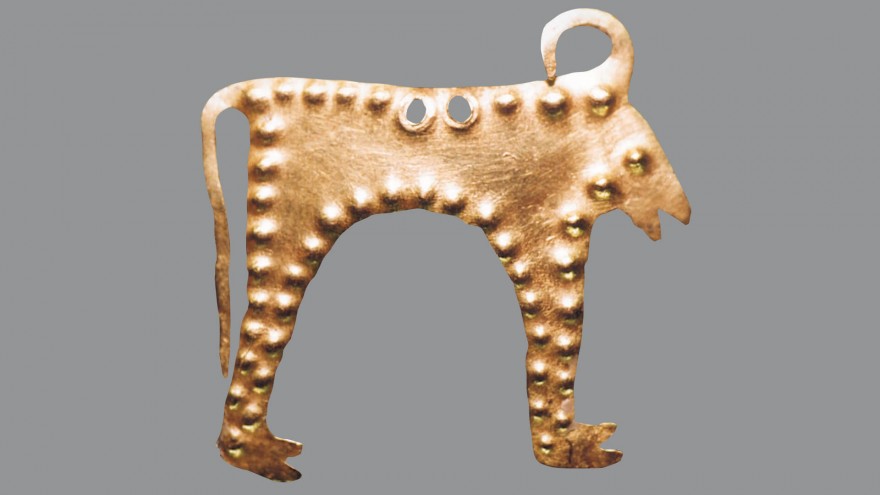
Gold animal ornament found at Varna. This would most
likely be sewn onto clothing.
In October of 1972 Raycho Marinov found a dirty bracelet in the bucket of his excavator. He was digging in West Varna, where it wasn't too uncommon to find historical artifacts. Farmers frequently dug up copper coins in their fields, so Raycho didn't think too much of it. He gathered up the bracelet, as well as a few other pieces of jewelry he found lying in the area, and put them in a shoebox with his boots. He forgot about the box for a couple of weeks before giving the gold to his old teacher, and curator of the local history museum, Dimitar Zlatarski. Zlatarski, recognizing the value of the pieces, called in experts from the Varna Archaeological Museum.

Upon examination, it turned out that what Marinov had found was far more valuable than the copper coins found in nearby fields. The jewelry dated back to the Copper Age, and Marinov's find was the biggest find of Copper Age artifacts at the time.

A full fledged excavation began almost immediately. Though it had been months since Marinov found the original pieces of jewelry, the dig site remained mostly intact. Archaeologists descended on the site in droves, and a near constant dig was in progress from 1972 to 1991.

This clay head, adorned with gold, was found in one
of the 'ceremonial graves'. These clay figurines were
most likely buried for religious purposes.
What archaeologists found in Varna was a vast graveyard belonging to the long vanished Varna Culture, a Copper Age society living in Eastern Europe long before the invasion of Indo-Europeans. Hundreds of graves littered the landscape, buried under years of debris.

Much like many other societies, the people of the Varna Culture buried their dead with funerey goods--presumably to help the deceased in the afterlife. These grave goods gave insight into the dress and customs of the Varna Culture. The quality of (or lack thereof) of the goods proved that the Varna Culture had a system of social classes, making them one of the first cultures in the world to do so.

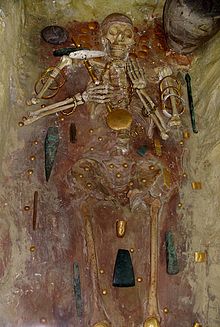
The evidence of some sort of class structure became evident when archaeologists opened what is now called Grave 43. It contained the bones of a man positively dripping in gold. The man wore bracelets, necklaces, rings, and carried a scepter. Gold disks, presumably once sewn to his long disintegrated clothing, surrounded him, as well as a gold sheathe for his penis. Though the archaeologists had found that some graves were nicer than others, they hadn't found a grave with such riches.

The fact that the skeleton was a male was particularly interesting to the archaeologists, because it challenged the contemporary theory that prehistoric Europe was a matriarchal society, and didn't become a patriarchal society until the invasion of the Indo-Europeans. Grave 43 was the first instance of a man who had been buried with a large amount of precious grave goods. Though some archaeologists suggest that this man could have lived during a period of transition, Grave 43 still leaves more questions than it answers.
Image result for varna gold
The contents of Grave 43

Actual humans weren't the only ones to be buried with tons of gold. Several graves full of gold and clay heads were also excavated. It is speculated that these are 'ceremonial graves', and that the gold jewelry is an offering for the deities represented by the clay heads.

Unfortunately, about 30% of the dig site remains unexplored. Excavation stopped in 1991 due to a lack of funds, and archaeologists have been unable to raise the money to begin again. Much of the discovered gold resides at the Varna Archaeology Museum, and the gold frequently tours museums across Europe.

The find at Varna represents a major piece of the puzzle that is pre-historic European society. Though these discoveries raise many more questions than they answer, the provide valuable insight into the wealth of the society, the size of the Varna Culture, and into their religious beliefs and practices.


Sources
Varna Man and the Wealthiest Grave of the 5th Millennium BC
The Oldest Gold Treasure in the World
Mystery of the Varna Gold

Friday, May 25, 2018

Damn, Girl-Ella Baker-The Woman Behind the Civil Rights Movement

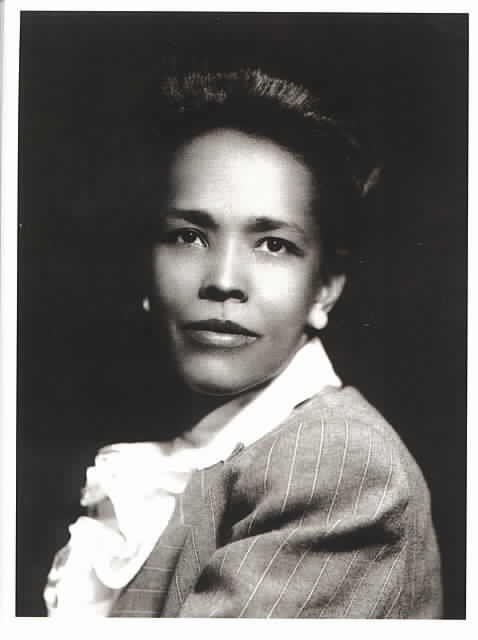
Activist Ella Josephine Baker was born on December 13, 1903. Dying exactly 83 years later, Ella would live through both world wars, the great depression,and the civil rights movement. She is best known for her involvement in the Civil Rights Movement of the 1960s. While she isn't as well known as visible leaders like Rosa Parks and Dr. Martin Luther King Jr., Ella Baker was one of the major driving forces behind the movement. While everyone else gave speeches, Ella traveled around the country, registering voters and organizing protests.

Image result for ella baker
Ella Baker
Growing up in Norfolk Virginia, Ella was heavily influenced by her grandmother, a former slave. Her grandmother would tell Ella stories about the injustices of slavery, the most famous being the time she was severely whipped for refusing to marry a man her master had picked out for her. In her early years Ella developed both a strong sense of self, as well as an outrage about the discrimination she and other African Americans faced.

In 1930, Ella started off her career in activism by joining the Young Negros¹ Cooperative League (YNCL). The purpose of YNCL was the provide shared resources for young African Americans. The organization had a strong emphasis on gender equality, as well as anti-capitalism. She soon became national director of the organization.

Around 1940 Ella began a leadership career with the NAACP. She began as a field secretary, and later served as a Director of Branches from 1943-1946. In this role, Ella worked heavily on voter registration in African American communities. She traveled across the country registering voters, and coordinating directly with local chapters. She trained activists (including Rosa Parks), and recruited members. She is widely acknowledged to have done a great deal of the hard, nitty-gritty work for the NAACP.

Ella had to step down from her leadership role in 1946 in order to move to New York and raise her orphaned niece. She joined the NAACP chapter in New York, and remained heavily involved with working to end social injustices. In 1952 she was elected president of her chapter, the first woman to ever be elected president of an NAACP chapter. As president, she worked to end school segregation, and build unity between chapters of the NAACP.

Image result for ella baker
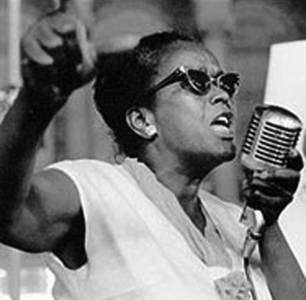
Ella speaking at a protest
With the creation of the Southern Christian Leadership Conference (SCLC) in 1958, Ella moved to Atlanta to serve as it's director. The SCLC is heavily associated with Dr. Martin Luther King, who served as the public face of the organization. Behind the scenes, Ella was calling the shots. She chose the issues the SCLC would focus on, planned protests, and trained other activists.

Unfortunately, within the SCLC Ella encountered a great deal of misogyny. Relations between her and Dr. King were tense, as he, along with the other male members of SCLC, weren't too keen on taking direction from a woman. Ella resigned in 1960 to found the Student Nonviolent Coordinating Committee. (SNCC)
SNCC was inspired by the sit-ins at the Greensboro Lunch Counters, and focused on organizing passive resistance protests. She also lead drives to register voters, and helped form the Mississippi Freedom Democratic Party--an alternative to the Democrat Party--which supported civil rights for African Americans.

Ella continued her work until her death in 1986. Though she is not well known today, her influence lives on. She played a major part in enfranchising African American voters, and planning the protests that helped end the Jim Crow Laws. Today the Ella Baker Center for Human Rights  carries on her work of ensuring equal rights for people of all races.


¹This word, while not acceptable in a modern context, was more or less acceptable in Ella's time period.


Sources
Who Was Ella Baker
Ella Baker--Civil Rights Activist
Ella Baker--American Activist
Meet Ella Baker